As engineers and data scientists, we often focus deeply on model development and evaluation—sometimes at the expense of understanding how to communicate our work effectively to non-technical stakeholders. This realization hit home during my participation in the Artificial Intelligence and Data Science Prototype (ADSP) course at Politecnico di Torino, developed in collaboration with the LINKS Foundation.
This program not only deepened our technical skills but also helped us translate research into real-world, business-relevant outcomes. One of the key achievements of our team was enhancing a Retrieval-Augmented Generation (RAG) system on the MS MARCO dataset, resulting in a 7.1% improvement in the Mean Reciprocal Rank (MRR) metric.
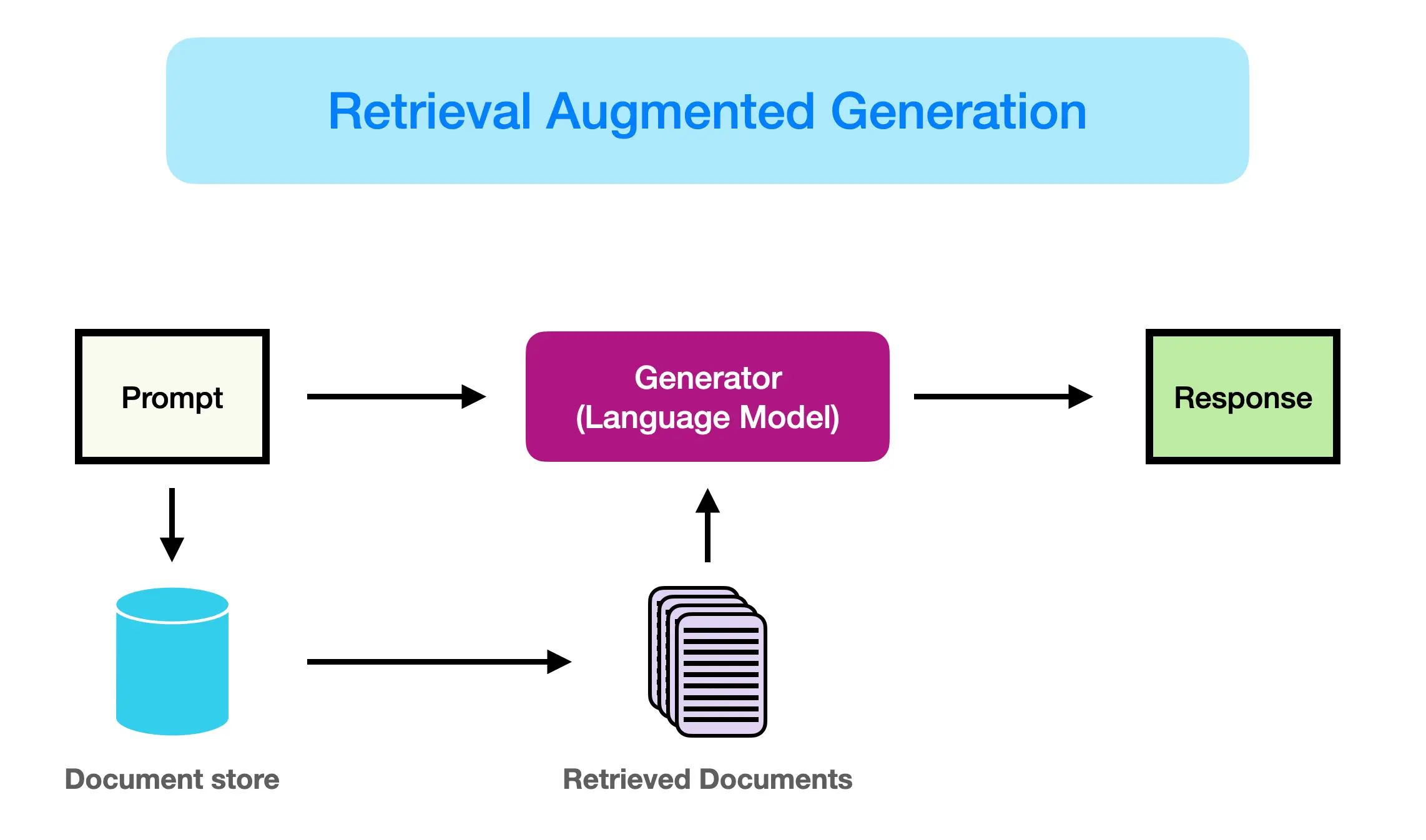
What is Retrieval-Augmented Generation (RAG)?
RAG is a hybrid AI architecture that combines two steps:
- Retrieval: fetching relevant documents from a knowledge base.
- Generation: using a language model to generate responses based on those documents.
This architecture offers more grounded and factual outputs compared to standalone generative models.
What is MS MARCO?
MS MARCO (Microsoft MAchine Reading COmprehension) is a large-scale dataset built for training and evaluating machine reading comprehension and information retrieval systems. It contains real-world user queries and human-generated answers.
Project Result
We fine-tuned both the retrieval and generation components of the RAG pipeline and evaluated it on MS MARCO. The result was a 7.1% increase in MRR, demonstrating more accurate and relevant answer generation. Tools like Hugging Face Transformers, FAISS, and PyTorch were part of the tech stack used in this process.
Business and Communication Takeaways
While technical improvements matter, the course taught us that success also depends on effectively communicating our work to different audiences. Below are a few tools and concepts we used:
- Stakeholder Map: Visualizes people and organizations affected by or influencing the project.
- Persona: Fictional user profiles used to design human-centered solutions.
- Customer Journey Map: Illustrates how a user interacts with the system across different stages.
- GANTT Chart: A timeline-based project planning tool showing tasks and milestones.
- Work Breakdown Structure (WBS): Hierarchical decomposition of project deliverables into smaller components.
- Deliverable: A concrete output, such as a presentation, report, or model.
One Crucial Presentation Tip
As engineers, we tend to follow a build-up style when presenting: start with background, describe methods, show metrics, and finally present the results. But the course taught us something very different:
The punchline should come at the beginning of your presentation.
Stakeholders from the business side have limited time and attention spans. By opening with your key improvement, you capture their interest early and leave a lasting impression.
Final Thoughts
Technical accuracy is essential, but it's not the whole story. This project showed me how combining technical development with human-centered design, ethical awareness, and communication skills leads to much greater impact. I’m thankful for this learning experience at Politecnico di Torino and the LINKS Foundation—where I learned to not just build solutions, but also deliver them meaningfully.